
Table of Contents
- Securing Balloons and Preventing Damage During Setup
- Professional Tools and Transport Methods for Balloon Decor
- Safe Helium Handling and Weather Considerations
- Frequently Asked Questions
Last Updated: September 26, 2026
Securing Balloons and Preventing Damage During Setup
Proper anchoring is the foundation of balloon installation safety; unsecured balloons shift, fall, or damage surfaces, the primary failure point in DIY setups.
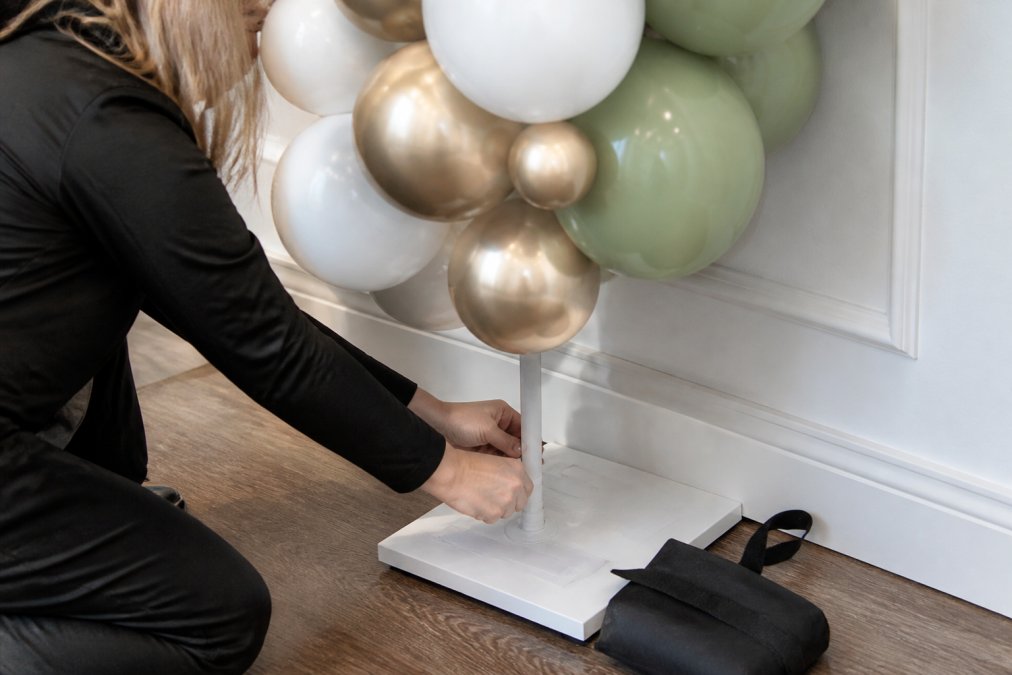
Use balloon weights designed for your balloon type, latex balloons need lighter weights than foil, and always test capacity before the event.
Use removable adhesive strips rated for your surface; never use nails or damaging tape. Textured walls may require different anchoring than smooth surfaces.
Secure balloon arches at multiple points, base weights at bottom, wall anchors at mid-height, and top fasteners, to distribute weight and prevent stress concentration.
Keep balloons away from sharp edges, heat sources, and direct sunlight, which degrades latex and causes premature deflation.
Professional Tools and Transport Methods for Balloon Decor
Proper transport equipment prevents balloon damage and setup hazards.
Use rigid boxes lined with foam or bubble wrap for transport; plastic bags allow balloons to shift and puncture.
Keep balloons flat during transport and never leave them in hot vehicles, as heat causes rapid expansion and rupture.
Use a dedicated transport vehicle and keep the area clean to prevent debris from puncturing balloons.
Use a staging area away from foot traffic and lay out all materials before assembly to prevent accidents and damage.
Safe Helium Handling and Weather Considerations
Helium cylinder handling requires careful attention. Improper storage or transport creates serious safety risks. Always keep cylinders upright. Never lay them on their side except during transport with proper securing.
Store helium cylinders in a cool, dry location away from heat sources. Temperature changes affect pressure inside the cylinder. Extreme heat can cause dangerous pressure buildup. Keep cylinders away from direct sunlight and heating equipment.
Weather impacts balloon performance significantly. Temperature sensitivity affects how balloons float and hold shape. Cold weather makes latex brittle and reduces buoyancy. Warm weather increases pressure inside balloons and accelerates deflation.
For outdoor events, monitor weather conditions closely. Wind can damage balloon installations and create visibility obstruction issues. High winds may require additional anchoring or postponement. Rain doesn’t harm latex balloons, but moisture affects adhesive strips and weights.
Indoor climate control protects your installation. Maintain consistent temperature and humidity levels. Sudden temperature changes cause balloons to expand or contract, stressing seams and anchor points.
At And Why Not Balloons, we manage all these technical details for you. Our CBA certified professional artists handle balloon installation safety, including helium cylinder safety, weather assessment, and structural integrity for every installation. We’ve served the region since 1997, managing everything from setup to breakdown.
Frequently Asked Questions
How do you hang balloons without damaging walls during installation?
Use adhesive strips, removable hooks, or fishing line instead of nails or tape that leaves residue. For balloon arches, attach weights to the base rather than anchoring to walls. If you must secure to a wall, use painter’s tape under adhesive dots and test on a small area first. Professional installers always use methods that preserve your venue’s surfaces.
What are the main safety concerns with helium cylinders at events?
Helium cylinders require proper storage in upright positions, away from heat sources and direct sunlight. Never transport them loose in vehicles, secure them with straps. Keep cylinders away from children and ensure the inflation nozzle is handled carefully to prevent accidental release. Store in a cool, well-ventilated area and never attempt to refill or modify a cylinder yourself.
How should balloon decorations be transported safely to an event?
Transport inflated balloons in a climate-controlled vehicle to prevent temperature sensitivity issues that cause deflation. Secure balloon arches and installations with padding to prevent popping during transit. Keep helium cylinders separate and upright. Arrive early to allow balloons to acclimate to the venue’s temperature before the event begins, ensuring they maintain proper inflation throughout.
Professional balloon installation safety for parties protects your guests and preserves your decor investment. The difference between a successful event and a damaged one comes down to proper technique, quality materials, and experienced execution. Let And Why Not Balloons handle the technical work. Book Now and focus on celebrating while we create an unforgettable experience with complete peace of mind.