
Table of Contents
- What Causes Balloons to Deflate
- How to Keep Balloon Decorations From Deflating: Essential Techniques
- How Long Do Balloon Arches Last and How to Extend Their Life
- How to Prevent Balloon Oxidation and UV Damage
Last Updated: August 19, 2026
What Causes Balloons to Deflate
Balloon deflation occurs through gas permeability, helium molecules escape through microscopic pores in balloon material over days or weeks. Temperature fluctuations accelerate this process: when ambient temperature rises, helium expands and escapes faster; when it drops, the gas contracts, making balloons appear deflated even though no gas has left.
Oxidation is another major culprit, particularly for latex balloons. When latex is exposed to oxygen, the polymer coating breaks down at a molecular level, weakening the material and creating larger pathways for helium to escape. UV exposure from direct sunlight accelerates oxidation dramatically, which is why outdoor balloons deteriorate faster than indoor ones.
Environmental factors like humidity levels, air circulation, and static electricity also contribute to deflation. High humidity affects the balloon’s exterior condition, while dry air actually helps preserve balloons longer. Strong air currents from HVAC systems or ceiling fans create pressure changes that stress the balloon material over time.
How to Keep Balloon Decorations From Deflating: Essential Techniques
Proper inflation technique is the foundation of balloon longevity. Inflate balloons to the correct firmness, firm but with slight give when pressed, to create a stronger seal at the nozzle and reduce stress on the material. Avoid overinflating, which stretches latex too thin and creates weak points.
The knotting technique is critical. After inflating, tie the balloon with a tight, secure knot rather than using a clip. A properly tied knot creates an airtight seal that clips cannot replicate, positioned directly at the balloon’s neck to prevent gradual gas escape.
Balloon sealant treatments designed for latex balloons extend longevity significantly by creating a protective polymer coating that reduces gas permeability and protects against oxidation. Apply according to product instructions for a thin, even layer across the balloon surface, this single step can add days to a balloon’s lifespan.
Silicone spray is another option, requiring careful application. A light misting creates a barrier against UV rays and oxidation without making balloons sticky. Test any spray product on a single balloon first to ensure it doesn’t damage the material.
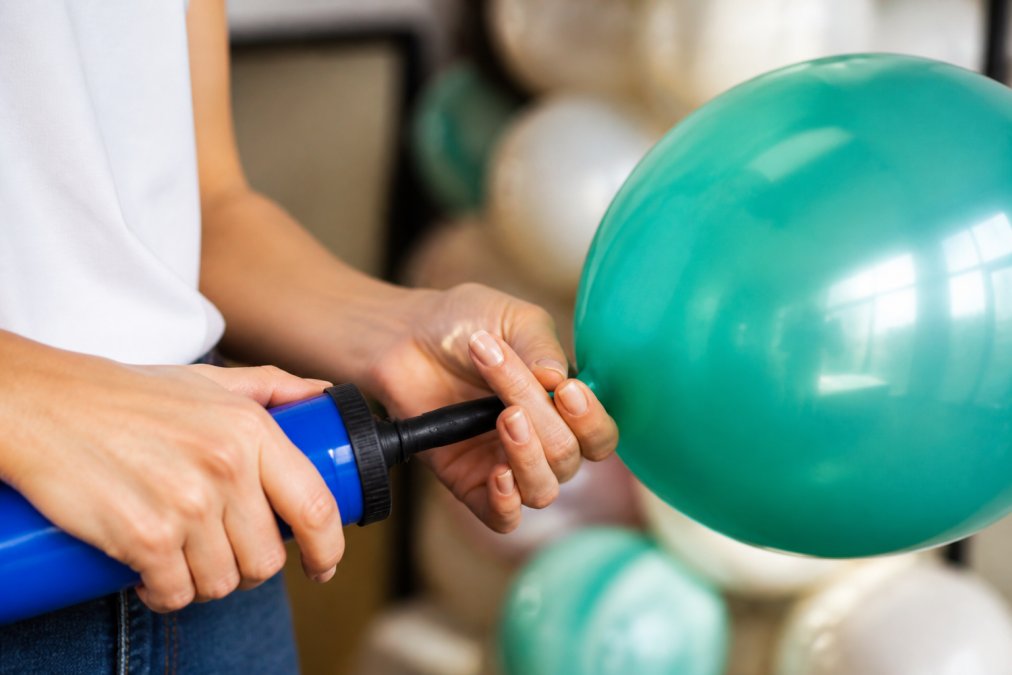
Double stuffing, inserting one balloon inside another before inflation, creates a redundant barrier against gas escape and provides backup if the outer balloon develops a micro-tear. This professional technique dramatically extends the decoration’s lifespan.
For foil balloons, keep them away from heat sources and avoid bending or folding during storage or transport, as they’re sensitive to temperature changes and creases that weaken the seal.
Professional event coordinators inflate balloons 2-4 hours before setup rather than the night before, reducing the total time balloons spend under pressure before the event and minimizing gas escape during the vulnerable pre-event period.
How Long Do Balloon Arches Last and How to Extend Their Life
A properly constructed balloon arch made with quality latex balloons typically maintains its appearance for 12-24 hours in controlled indoor environments. Outdoor arches deflate more quickly, usually showing visible deflation within 8-12 hours depending on temperature and sun exposure. Foil balloon arches last considerably longer, often 2-3 days indoors with minimal deflation.
Arches built with a mix of latex and foil balloons perform better than all-latex arches because foil balloons maintain their shape and firmness while latex gradually softens. Professional balloon artists strategically position longer-lasting foil balloons in high-visibility areas while using latex for fill and depth.
Inflation pressure distribution matters more in arches than individual balloons. Slightly underinflating center balloons while maintaining full pressure on outer balloons helps the entire structure maintain its shape as deflation progresses gradually.
Environmental control extends arch life dramatically. An arch in a climate-controlled indoor space maintains its appearance 50% longer than one exposed to temperature fluctuations. Positioning outdoor arches in shaded areas rather than direct sunlight extends their lifespan by several hours.
Avoid placing balloon arches near heat sources, air conditioning vents, or direct sunlight for extended periods. Even a few hours of direct UV exposure can visibly age a latex balloon arch, causing color fading and accelerated oxidation that leads to faster deflation.
Backup balloons are essential for longer events. Professional installers carry extra balloons and reinflation equipment, ready to replace any balloons that deflate noticeably during the event.
How to Prevent Balloon Oxidation and UV Damage
Oxidation occurs when oxygen in the air reacts with the polymer material in latex balloons, breaking down the chemical bonds that give the balloon its elasticity. This process accelerates dramatically in the presence of UV light, which is why outdoor balloons age much faster than indoor ones.
Direct sunlight is the primary enemy of latex balloon longevity. A balloon exposed to full sunlight for several hours shows visible color fading and material degradation. Position outdoor balloon decorations in shaded areas whenever possible, even partial shade significantly reduces UV damage.
UV protection products designed for outdoor balloons create a reflective or absorptive barrier that shields latex from direct sunlight. Apply according to product instructions before the event for maximum protection.
Color selection affects UV vulnerability. Darker colored balloons absorb more UV radiation and oxidize faster than light colors. Metallic or pearl-finish balloons often have built-in UV protection in their coating.
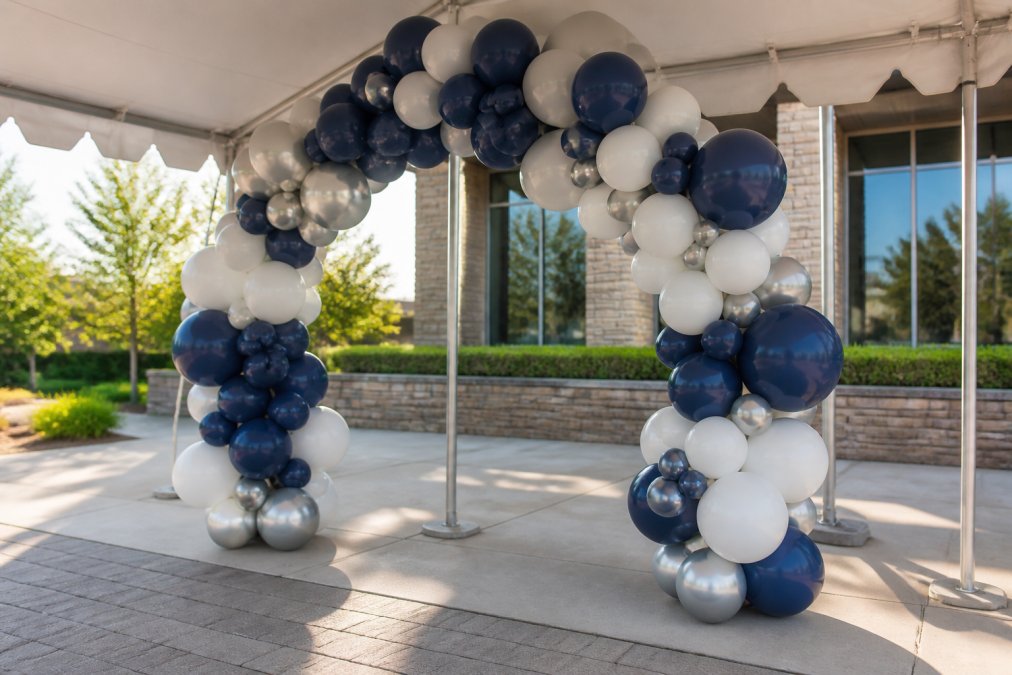
Temperature stability prevents both oxidation and thermal stress. Store balloons in cool, consistent environments rather than hot vehicles or outdoor areas. Moderate humidity levels (around 40-60%) provide the ideal environment for balloon storage and display.
The single most effective strategy for preventing oxidation and UV damage is keeping balloons out of direct sunlight and away from heat sources. Combined with proper inflation and sealant treatment, this extends balloon decoration lifespan by hours or even days.
At And Why Not Balloons, we combine quality balloon selection, professional sealant application, strategic placement in shaded areas, and backup balloons for replacement. This comprehensive strategy ensures your celebration looks legendary from setup through the final moment of your event.
Professional balloon decoration requires understanding the science behind deflation and applying proven techniques to extend longevity. Whether you’re planning an intimate family celebration or a large corporate event, proper inflation technique, quality materials, protective treatments, and strategic placement make the difference between decorations that fade halfway through your event and displays that maintain their impact all day long. And Why Not Balloons brings 25 years of experience and CBA certified expertise to every installation, ensuring your balloon decorations transform your space into a legendary experience that lasts. Book Now for a consultation and discover how professional balloon design eliminates the stress of event planning while delivering results that exceed your expectations.
Frequently Asked Questions
Does hairspray really keep balloons from deflating?
Hairspray does not effectively prevent balloon deflation. While it creates a temporary coating, it doesn't seal the micro-pores in latex balloons where helium escapes. Professional balloon sealants like Hi-Float are far more effective because they're specifically formulated to reduce gas permeability. For best results, apply sealant to air-filled balloons or use it alongside proper inflation techniques rather than relying on hairspray alone.
How long do balloon decorations typically last?
Latex balloons typically last 5-7 days indoors when properly inflated and sealed, though many deflate noticeably within 2-3 days. Foil balloons last significantly longer, often 2-4 weeks. The longevity of balloon arches depends on environmental factors: indoors with climate control, they maintain quality longer than outdoors. Using balloon sealants, maintaining consistent temperature, and avoiding direct sunlight can extend the lifespan considerably.
What is the best way to store balloon decorations before an event?
Store inflated balloons in a cool, dark, climate-controlled space away from sharp objects and direct sunlight. Keep them in a large plastic storage container or bag to protect from dust and UV exposure. For pre-inflated decorations, store them the night before your event rather than days in advance to minimize deflation. Avoid storing balloons near heating vents, air conditioning units, or areas with temperature fluctuations, as thermal expansion and contraction accelerate gas loss.
How does temperature affect balloon inflation?
Temperature directly impacts helium retention and balloon longevity. Warmer environments cause thermal expansion, increasing pressure inside the balloon and accelerating gas permeability through latex micro-pores. Cold temperatures can cause balloons to shrink temporarily. The ideal range for balloon storage and display is 65-75°F. Avoid placing balloons near heating sources, direct sunlight, or air conditioning vents. Outdoor events in extreme heat will see faster deflation, making sealants and shade critical for maintaining balloon quality.
This article was written using GrandRanker